The Strategic Appeal of Premium Design Assets: The Tapir Pattern KDP Notebook Cover
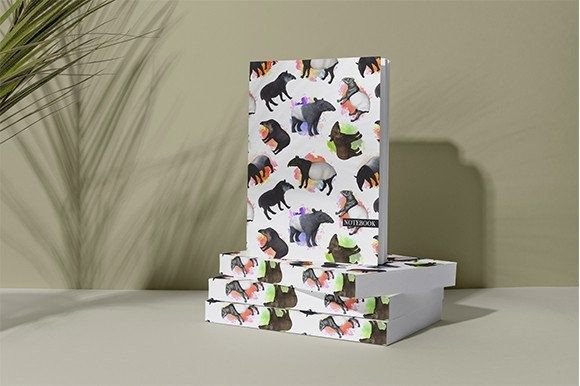
In the bustling marketplace of digital creativity, particularly within platforms like Amazon's Kindle Direct Publishing (KDP), the distinction between a product that sells and one that languishes often lies in its presentation. A design asset like the Tapir Pattern KDP Notebook Cover for KDP represents more than just a decorative file; it is a strategic tool for creators aiming to capture attention in a crowded field. This specific asset, featuring the distinctive markings of the Malayan Tapir rendered in a sophisticated watercolor style, exemplifies a shift towards niche, high-quality, and professionally packaged digital resources.
Beyond a Simple Cover: Understanding the Asset's Value
The Tapir Pattern KDP Notebook Cover for KDP is a comprehensive digital template designed for creators publishing notebooks, journals, and planners on KDP. Its specifications—a full cover size of 17.475x11.25 inches (for an 8.5x11 inch interior)—are precisely tailored to KDP's requirements. But its true value is unpacked in its composition. Offered in high-resolution 300dpi and as 100% vector graphics, it guarantees crisp, scalable output suitable for both digital preview and physical print. The inclusion of multiple file formats (PNG, EPS, JPG, SVG, PSD, PDF) speaks to a deep understanding of diverse creator workflows, from graphic designers using Photoshop to entrepreneurs utilizing simpler tools.
This isn't merely a static image; it's a well-organized, layered design system. The watercolor treatment of the tapir pattern provides a unique aesthetic—organic, artistic, and gentle—that can elevate a simple notebook into a statement piece. This move towards thematic, nature-inspired designs aligns with consumer desires for products that feel personal, calming, and connected to the world beyond generic geometric patterns.
Alignment with Macro Trends in Creative Commerce
The relevance of such a specialized asset can be understood through several intersecting trends shaping the creative economy. First is the professionalization of the maker marketplace. As platforms like KDP mature, competition intensifies. Successful sellers no longer rely on basic, templated designs. They seek unique, high-quality assets that reduce production time while increasing product polish. A ready-to-use, vector-based cover like the Tapir Pattern addresses this need directly, enabling a freelancer or small business to launch a product with a design standard that rivals larger entities.
Secondly, it connects with the rise of niche aesthetics and thematic branding. Consumers are drawn to products that tell a story or reflect a specific interest—like wildlife conservation, botanical art, or a particular artistic style. The Malayan Tapir, an unusual and endangered animal, creates an instant narrative hook. Using this design, a creator can target audiences interested in zoology, unique animal art, or eco-conscious themes, thereby moving beyond generic appeal to cultivated community engagement.
The Multi-Format Delivery as a Workflow Solution
The provision of the asset in SVG, PSD, and EPS formats highlights a critical development: the expectation for adaptability. Modern creators operate across multiple projects and mediums. The same core Tapir Pattern design, thanks to its vector nature and layered PSD file, can be seamlessly adapted from a KDP notebook cover to a mug design, a T-shirt graphic, or social media branding. This flexibility mirrors the contemporary creator's workflow, where a single visual idea must be extensible across a product line, enhancing brand consistency and maximizing the return on a design investment.
Why Attention is Growing for Such Resources
Professionals and enthusiasts are paying increased attention to curated design assets for several practical reasons. Time is a paramount currency. Developing a custom, print-ready cover from scratch requires significant skill and hours. A pre-made, well-organized template like this one dramatically compresses the timeline from idea to market-ready product. Furthermore, the assurance of technical correctness—correct dimensions, resolution, and bleed areas—mitigates the risk of publishing errors on KDP, which can lead to delays and customer dissatisfaction.
From a business perspective, such assets represent a low-risk investment into product diversification. A designer or entrepreneur can test a new niche (e.g., animal-themed stationery) with a professionally designed cover without the upfront cost of a custom commission. This aligns with a broader trend of agile, data-driven product creation in micro-businesses, where market response guides further investment.
Changing Needs and Preferences Driving Demand
The expectations of both creators and end-consumers have evolved. Creators now seek comprehensive solutions, not just images. They need files that are technically robust, easily editable, and versatile. The detailed file package included with the Tapir Pattern KDP Notebook Cover meets this comprehensive need. For consumers, the preference has shifted towards physical products that offer digital-era qualities: uniqueness, aesthetic cohesion, and a sense of artistry. A notebook with a beautiful, watercolor animal pattern feels less like a mass-produced commodity and more like a curated object, satisfying the desire for products that enhance personal style and environment.
This shift is also technological. The prevalence of high-quality home printers and print-on-demand services has made premium design more accessible. A high-resolution 300dpi file ensures that the final printed product, whether a notebook cover or a derived T-shirt, retains its delicate watercolor textures and sharp lines, fulfilling the quality promise of the on-demand model.
Practical Applications and Observable Impact
In practice, a resource like the Tapir Pattern KDP Notebook Cover for KDP serves multiple roles. For a graphic designer freelancing for KDP authors, it's a rapid starting point for client projects. For an entrepreneur running a small stationery brand, it's the cornerstone design for a new product line, extendable to complementary merchandise (mugs, apparel). For a wildlife advocacy group, it could be the basis for fundraising merchandise, where the design's inherent theme supports the organization's mission.
The observable impact is in market differentiation. KDP journals featuring common, overused patterns struggle for visibility. A journal featuring this distinctive tapir watercolor pattern stands out in search results and product listings. It can attract a specific audience, command a slightly higher price point due to its perceived value, and foster stronger customer attachment. This directly translates to better sales performance and brand establishment.
Connection to Larger Developments in Digital Assets
This specific design asset is a microcosm of the larger movement towards professional-grade, niche-specific digital content in creative marketplaces. It reflects the maturation of the stock asset industry, moving from generic clip-art to context-aware, platform-specific, and trend-aligned design systems. Furthermore, it underscores the importance of format and technical delivery as key features, not just the visual design itself. As creative tools become more sophisticated and on-demand platforms more demanding, the value of a "well-organized" file pack, as described in this asset's offering, will only increase.
Ultimately, the Tapir Pattern KDP Notebook Cover for KDP and similar assets are not just products; they are enablers. They empower a wider range of professionals, marketers, and enthusiasts to participate in high-quality product creation, aligning with the democratizing spirit of platforms like KDP while addressing the ever-growing need for speed, specialization, and aesthetic depth in the digital marketplace.