Project Planning for KDP Success
Imagine streamlining your entire Amazon publishing workflow with a single, professionally crafted resource designed to boost your productivity and visual consistency.
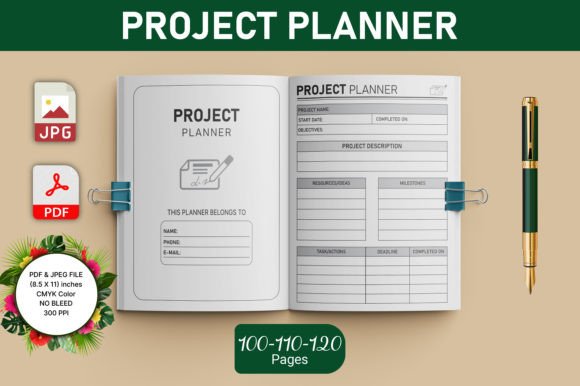
A well-designed PROJECT PLANNER for KDP INTERIOR is more than just pages; it’s a foundational tool for organizing your creative process, ensuring every booklet, journal, or log you publish maintains a cohesive and polished look. From the perspective of graphic design, this kind of ready-to-use template represents a significant efficiency gain, allowing creators to focus on content and strategy rather than wrestling with layout and formatting. It provides a structured canvas that guides the user experience, turning complex project management into a visually intuitive and engaging activity.
The Role of Structure in Visual Communication
Effective visual design hinges on clear structure and hierarchy. When you utilize a pre-designed project planner interior, you're adopting a system built with principles of editorial design and user experience (UX) in mind. The layout dictates the flow of information, guiding the user from goal-setting to task breakdowns and final review. This isn't just about aesthetics; it’s about creating a logical, easy-to-follow path that enhances usability and reduces friction. For your KDP business, this translates to products that feel premium and professional, encouraging customer satisfaction and repeat purchases.
Building Brand Consistency Across Products
One of the core challenges in a low-content business is maintaining a consistent brand identity across multiple publications. A single, high-quality project planner template serves as a versatile creative asset. You can adapt its core visual framework—its typography, color palette, and compositional rules—to a range of related products. This consistency strengthens your brand’s recognition on the marketplace. Customers begin to associate a certain look and feel with your store, building trust and perceived value. Whether applied to goal planners, habit trackers, or business logs, a unified design system makes your entire catalog feel curated and reliable.
Key design elements within a quality template contribute directly to this polished result:
- Typography: Carefully chosen fonts ensure readability and set the tone (serious, playful, modern).
- Color Palette: A defined CMYK color scheme creates visual harmony and can align with specific emotional responses or brand colors.
- Visual Hierarchy: Clear headings, balanced spacing, and intentional layout guide the user’s eye and prioritize information.
- Modern Aesthetics: Clean lines and thoughtful composition reflect current design trends, making the product feel fresh and relevant.
Practical Applications in Your Design Workflow
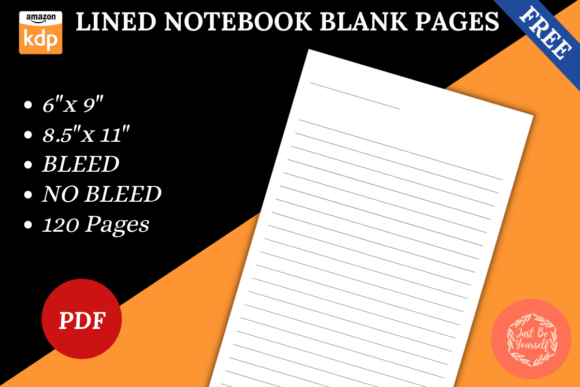
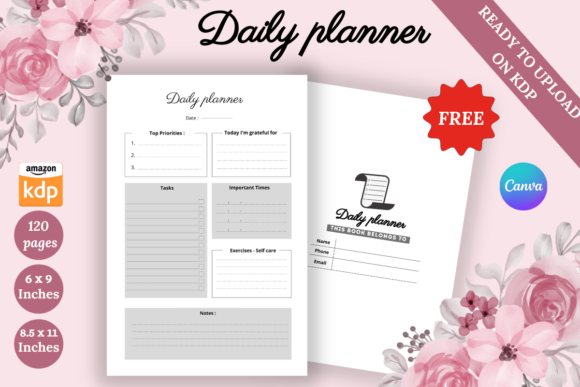
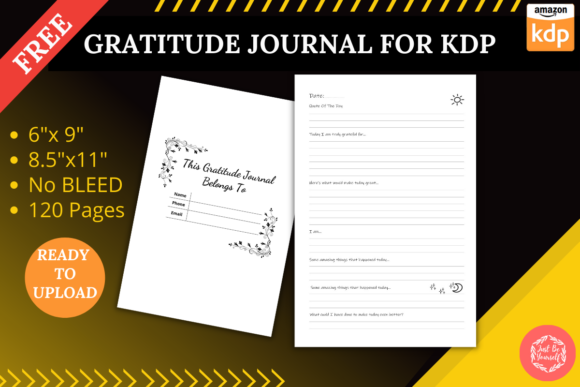
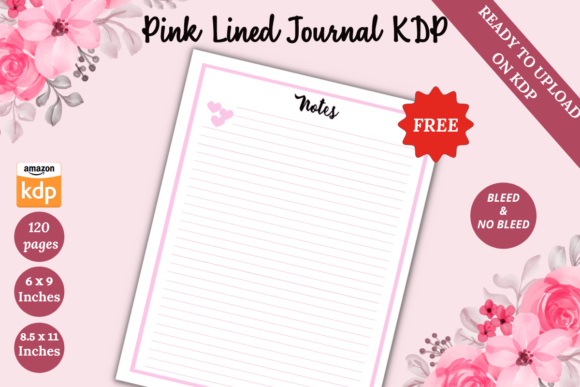
Integrating a ready-to-use PDF into your creative projects instantly elevates your production quality. The specifications—such as 8.5" x 11" or 6x9" trim sizes, 300ppi resolution, and no bleed—mean the file is optimized for KDP’s requirements, eliminating technical hurdles. This allows you to channel your energy into marketing and business growth. The template can serve as the visual backbone for:
- Annual or quarterly goal planners
- Specialized project trackers for creative, business, or personal endeavors
- Companion journals for specific methodologies or courses
- A base template to customize further for niche audiences
Selecting the right template involves evaluating its flexibility. Does the layout support various content types? Is the typography scalable for different headings and body text? Does the color scheme offer a professional yet adaptable feel? A great project planner interior should feel like a toolkit, not a rigid constraint, empowering you to produce variations while maintaining a high standard of visual design.
Ultimately, the power of a thoughtfully designed resource lies in its dual impact: it improves the aesthetic appeal of your products while fundamentally enhancing their function. It communicates organization, clarity, and professionalism to your end-user. In the competitive space of digital and print-on-demand products, these subtle qualities of design—the ease of use implied by good layout, the trust built by consistent branding—become decisive factors in building a successful and sustainable creative business. Investing in quality creative assets, like a professional project planner interior, is an investment in your brand’s communication and long-term visual impact.