Your Essential Online Shopping Log Book: A Guide to Tracking, Managing, and Mastering Your Digital Purchases
In the bustling digital marketplace, our shopping carts have become more dynamic than ever. From a quick grocery delivery to a meticulously researched gadget, each online transaction represents a fragment of our financial life, personal needs, and logistical planning. Yet, this convenience often leaves us with a scattered trail: emails, app notifications, and fleeting mental notes. An Online Shopping Log Book emerges as a simple, powerful tool designed to bring order to this digital chaos. It is a dedicated space to record, review, and refine your purchasing habits, transforming impulse buys into informed decisions.
What is an Online Shopping Log Book?
At its core, an Online Shopping Log Book is a structured journal, either physical or digital, tailored specifically for documenting online purchases. Unlike a generic notebook, it provides pre-formatted pages with relevant categories, prompting you to capture not just what you bought, but the context and outcome of the purchase. Think of it as a personal dashboard for your consumer life. The purpose is multifaceted: it serves as a financial tracker, a product review archive, a delivery schedule organizer, and a habit-awareness tool.
The characteristics of a well-designed log book include clear sections for date, item name, retailer, price, order status, delivery date, and notes on product satisfaction. This systematic approach replaces the frantic search through inboxes for tracking numbers or the vague recollection of a subscription renewal date. By consolidating information, it creates a single, authoritative source for all your online shopping activity.
The Tangible Value of Keeping a Log
The immediate value lies in clarity and control. With every purchase logged, you gain a panoramic view of your spending patterns. This can help identify unnecessary recurring expenses, highlight preferred retailers, and track warranty periods. Beyond budgeting, it becomes a quality assurance log. Notes on product performance over time—did that blender last? Were the shoes comfortable after a month?—turn subjective experiences into actionable data for future buying choices.
For professionals who frequently procure supplies online or business owners managing inventory and corporate purchases, the log book scales from a personal tool to an operational asset. It can streamline expense reporting, vendor comparison, and asset management.
Who Benefits from an Online Shopping Log Book?
The utility of an Online Shopping Log Book spans a wide audience. General consumers, from busy parents managing household orders to students buying textbooks, benefit from the organizational lift. Creators, such as artists or crafters who regularly source materials from niche online stores, can use it to track supplier reliability and material costs over projects.
Financial enthusiasts and anyone on a journey toward mindful consumption find it indispensable for aligning spending with goals. Even casual online users who occasionally feel overwhelmed by package arrivals or subscription services can use it as a lightweight method to regain oversight. Essentially, anyone who makes more than a handful of online purchases a month will find value in this consolidated record.
Real-World Applications and Scenarios
Consider Jane, who enjoys gardening. She orders seeds, tools, and fertilizers from various specialty sites throughout the year. Her Online Shopping Log Book allows her to note which seed varieties yielded the best harvest, which tool brand was most durable, and when seasonal sales typically occur at each retailer. Next year’s planning becomes data-driven, not guesswork.
Imagine a freelance graphic designer, Alex. He subscribes to multiple software services, buys fonts, and orders promotional materials for clients. His log book helps him separate business and personal purchases, track subscription renewal dates to avoid unexpected charges, and evaluate which vendors offer the best turnaround time for client projects. It directly supports his business efficiency.
- Budgeting Season: Instead of combing through bank statements, you open your log book to quickly categorize and sum up your “Home”, “Tech”, and “Clothing” spending for the past quarter.
- Product Recall or Issue: When a manufacturer announces a recall, you can instantly check your log to see if you purchased that specific model and on what date, expediting the resolution process.
- Gift Planning: Reviewing last year’s holiday gift log helps you remember what was well-received and plan more thoughtfully for the coming season.
Features to Look For in a Quality Log Book
When evaluating an Online Shopping Log Book, whether you’re purchasing a pre-made interior or designing your own, certain features enhance its usefulness. A logical layout is paramount. Common sections include:
- Order Identification: Space for order number, retailer, and order date.
- Item Details: Columns for product name, description, quantity, and unit price.
- Financial Tracking: Total cost, payment method, and any discount applied.
- Logistics Tracking: Expected and actual delivery dates, shipping carrier.
- Review & Notes: A sizable area for comments on product quality, customer service experience, and long-term satisfaction.
- Status Checkboxes: Simple indicators for “Ordered”, “Shipped”, “Delivered”, and “Returned”.
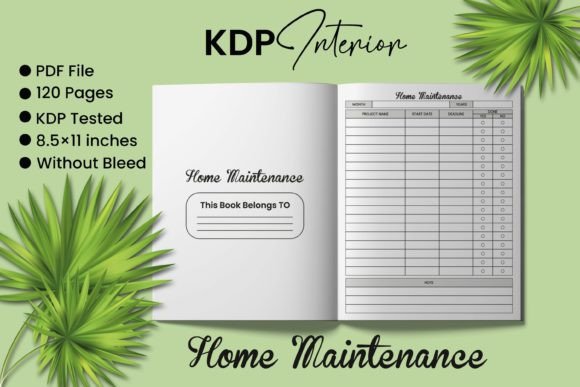
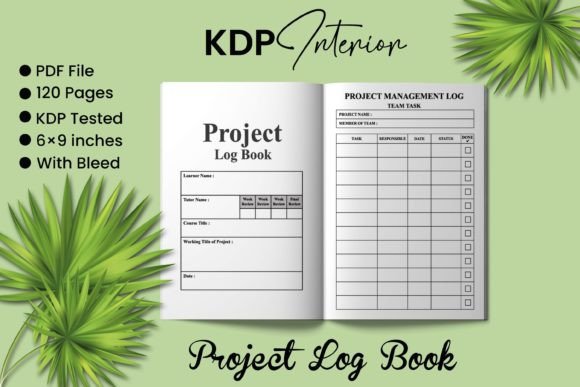
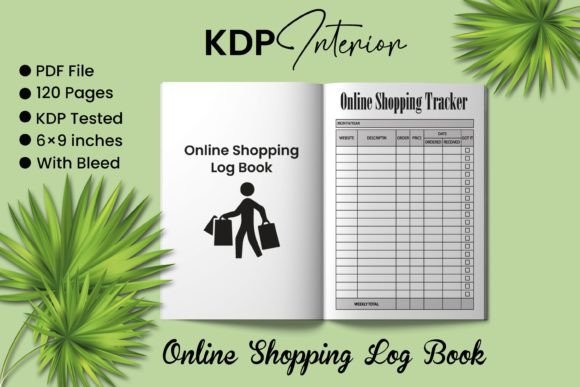
For those looking to publish or use a professionally designed version, like a ready-to-upload KDP interior, specifications matter. A 6×9 inches format is a popular and practical trim size for journals. A high-resolution PDF file at 300dpi ensures crisp, clear printing. The inclusion of an intro page provides room for instructions or personalization. 120 pages offers substantial capacity for long-term use.
Technical aspects like an interior with BLEED are crucial for professional printing; it means the design extends to the edge of the page, preventing unwanted white borders after cutting. When files are compressed into a ZIP file and are advertised as READY TO UPLOAD on Amazon KDP, it signifies a product tested for compatibility and quality on the platform, saving creators time and technical hassle.
Strengths and Practical Considerations
The primary strength of using an Online Shopping Log Book is its proactive nature. It encourages mindfulness before, during, and after a purchase. This habitual recording can naturally curb impulsive spending, as the act of logging becomes a moment of reflection. It also builds a valuable personal database, making you a smarter consumer over time.
Some considerations exist. The tool requires a commitment to consistency. Its value compounds with regular use, so it may not suit someone unwilling to spend a minute post-purchase to fill it out. It is also a reflective tool, not a real-time tracker; it doesn’t automatically sync with your accounts. For those needing instant, automated aggregation of spending, dedicated financial software might be a complementary solution. The log book’s power is in the manual, thoughtful engagement with your consumption data.
Evaluating Suitability for Your Needs
To decide if an Online Shopping Log Book is right for you, assess your relationship with online shopping. Do you often forget what you’ve ordered or when it should arrive? Do you struggle to remember if a product lived up to its promise when considering a re-purchase? Do you want a clearer picture of where your money goes in the digital storefronts? If yes, then this tool is highly suitable.
For projects, such as creating a journal to sell, evaluating a pre-designed interior involves checking its completeness and professionalism. Ensure it has all the sections you deem important, and that the technical specs like bleed and resolution match your printing requirements. A design that is clean, intuitive, and visually appealing will be more inviting to use, increasing its effectiveness for the end-user.
From Concept to Practice: Integrating the Log into Your Routine
Adopting an Online Shopping Log Book is straightforward. Keep it accessible—on your desk or as a digital file on your tablet. Make a habit of updating it immediately after confirming an order, entering the basic details. Upon delivery, update the status and jot down initial impressions. A few weeks later, revisit the entry to add notes on performance. This simple cycle transforms the book from a static record into a living guide.
Its application is flexible. You can dedicate it purely to personal shopping, or segment pages for business, family, or specific projects like “Home Renovation Purchases”. The structure provides discipline, while the content within tells the unique story of your choices, needs, and experiences in the vast world of online commerce.
Ultimately, an Online Shopping Log Book is more than a list; it is a tool for empowerment in the consumer landscape. It returns agency to the buyer, using the simple principle that recorded information is empowered information. By providing a dedicated space to hold the details of our digital transactions, it helps us spend less haphazardly, choose more wisely, and manage more efficiently, turning the everyday act of online shopping into a more conscious and controlled practice.