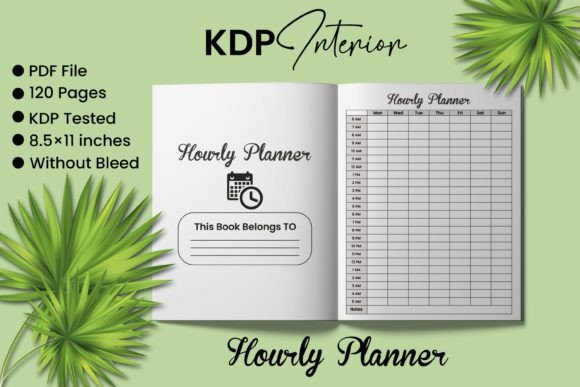
Master Your Day: The Power of an Hourly Planner Log Book
In a world overflowing with tasks, notifications, and competing priorities, the simple act of writing things down remains a profoundly effective strategy for clarity and control. An Hourly Planner Log Book is more than just a notebook; it’s a structured tool designed to map your day, hour by hour, transforming intention into action. Unlike a simple to-do list, it provides a visual timeline of your commitments, efforts, and progress, creating a tangible record of where your time actually goes.
A Tool That Adapts to Your Life
The utility of an Hourly Planner Log Book isn't confined to a single profession or lifestyle. Its core function—time tracking and task allocation—resonates differently depending on who is using it and what they hope to achieve. For some, it’s a lifeline for managing overwhelming workloads; for others, it’s a canvas for creative project planning. Its value is measured not just by the paper it's printed on, but by the fit it has with your personal or professional rhythm.
A freelance graphic designer, for instance, might prioritize flexibility and creativity in their planner use. They need blocks for client calls, deep work sessions for design, and space to jot down sudden inspirations. Their evaluation of a planner hinges on whether it allows for unstructured notes alongside the rigid hourly slots. Conversely, a project manager overseeing a tight deadline might prioritize presentation and reliability. They need a clear, chronological log to share with team members, to demonstrate progress, and to identify bottlenecks instantly. The same tool serves both, but through different lenses.
For the Beginner and the Seasoned Professional
If you're new to structured planning, an Hourly Planner Log Book offers a gentle entry point. The pre-formatted hours remove the intimidation of starting with a blank page. Your priority here is ease of use and learning value. You can begin by simply logging your current activities for a few days—a practice that alone can reveal surprising patterns of time loss. There’s no pressure to perfectly optimize every slot; the goal is observation and gradual improvement.
An experienced user, perhaps a seasoned entrepreneur, looks for long-term usefulness and commercial value. They might use the log book not only for daily scheduling but for auditing weekly time expenditure across different business functions, analyzing data to inform strategic decisions. They evaluate the tool’s capacity for consistency—can it withstand months of daily use without feeling limiting? The quality of the paper, the clarity of the layout, and the total number of pages become critical factors for this sustained engagement.
Practical Applications Across Fields
Consider the educator preparing a complex curriculum. An Hourly Planner Log Book allows them to allocate specific hours for lesson planning, grading, student consultations, and professional development. It helps defend their time against fragmentation. For a small business owner, the log can separate marketing tasks from operational duties from financial review, ensuring that vital but non-urgent activities aren’t perpetually postponed.
Hobbyists, such as someone learning a musical instrument or writing a novel, often struggle to carve out consistent practice time. Scheduling a dedicated, logged hour each day transforms a vague aspiration into a manageable commitment. Here, the planner’s role is to support creativity and personal growth, proving its value extends far beyond the commercial sphere.
Identifying Your Match: Goals and Formats
Choosing the right Hourly Planner Log Book often comes down to matching its format to your project type. Do you need rapid, daily logging for fast-paced client work? Then a simple, clean layout with minimal fuss is key. Are you engaged in a long-term research project where tracking deep work sessions over weeks is essential? Then a book with ample pages and a durable binding matters more.
Many find that a digital-planner hybrid system works best, using a physical log book for daily capture and reflection, while digital calendars manage shared appointments. The physical act of writing in an Hourly Planner Log Book reinforces commitment and provides a non-digital, focused space for thinking, which can be a relief for consumers feeling besieged by screens.
Ready-to-Use Design for Immediate Implementation
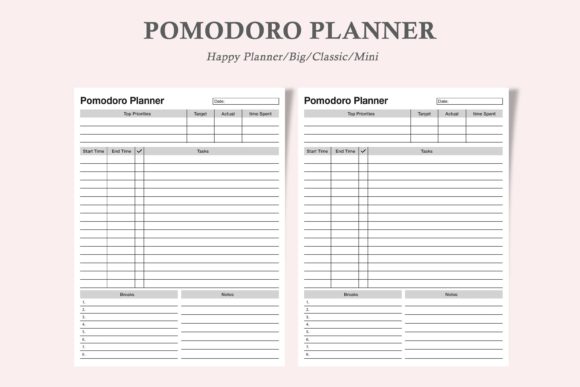
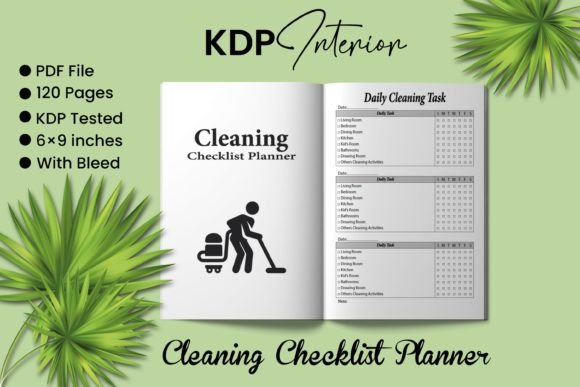
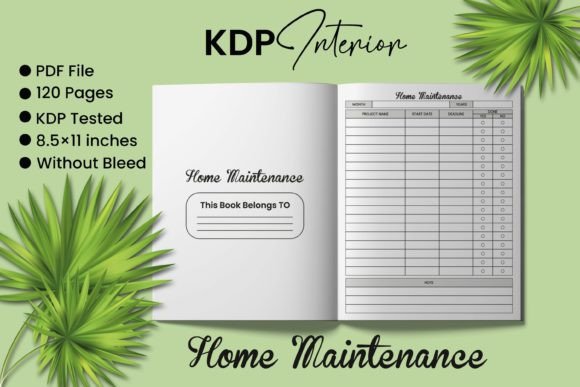
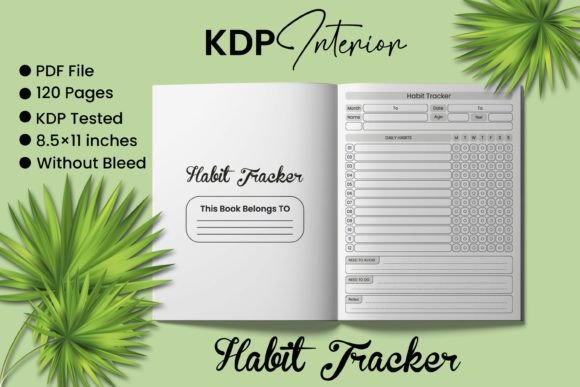
For creators, publishers, and anyone looking to use or offer a professionally designed planner without the design overhead, a ready-made interior is a practical solution. A high-quality, tested Hourly Planner Log Book KDP Interior, delivered as a complete package, shifts the priority to speed and reliability. It allows you to focus on using or publishing the tool rather than building it from scratch.
Such a package typically includes a print-ready PDF at 300dpi for crisp clarity, a JPG file for visual preview, and an intro page to frame the product. With a standard 8.5x11 inch size and a total of 120 pages without bleed, it’s formatted for straightforward compatibility with platforms like Amazon KDP. The files are compressed into one ZIP file, tested for quality, and ready to upload. This turns a complex design task into a simple, executable step, whether your aim is personal use, gifting, or commercial publication.
Ultimately, whether you’re a blogger tracking content creation hours, a student balancing studies and work, or a marketer coordinating campaigns, the Hourly Planner Log Book serves as a mirror for your efforts and a map for your ambitions. Its effectiveness lies in its adaptability. By helping you see your time in discrete, manageable units, it empowers you to reclaim it, direct it, and make tangible progress on what matters most to you.