Weekly Meal Planner-Black White: A Simple Tool for Organized Cooking
For many adults juggling work, family, and personal time, the daily question of "what's for dinner?" can be a significant source of stress. Meal planning is a widely recommended strategy to alleviate this, save money, and promote healthier eating habits. In this landscape of planning tools—from digital apps to ornate notebooks—the Weekly Meal Planner-Black White presents a distinct, minimalist option. This article explores its format, compares it to broader categories of planning aids, and helps you evaluate if its straightforward design is the right fit for your kitchen management style.
The Core Design Philosophy of Weekly Meal Planner-Black White
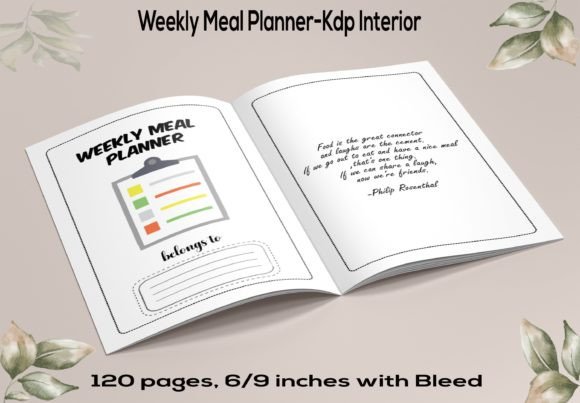
As the name suggests, the Weekly Meal Planner-Black White is defined by its aesthetic and structural simplicity. It is a KDP (Kindle Direct Publishing) interior template, meaning it's a pre-designed layout intended for individuals to publish as a physical planner or notebook. The 6x9 inch format with bleed is a standard, portable book size. The "Black White" element points to a monochrome design—likely clean lines, unadorned sections, and a focus on functionality over decorative flair. This 120-page volume offers a substantial canvas for planning over many weeks without the visual distraction of colors or intricate graphics.
What makes it distinct is its intentional barebones approach. It serves a single purpose: to log weekly meals. You can expect dedicated areas for each day of the week, perhaps with space for breakfast, lunch, and dinner, alongside sections for grocery lists or notes. The provided files—PNG, AI, PDF—indicate it's a versatile digital product for users who may want to print pages themselves or use the design as a foundation for a custom published book. This contrasts with planners that bundle motivational quotes, recipe pages, or calorie trackers, focusing instead on the fundamental act of planning.
Comparing Formats: Digital Apps Versus Physical Planners
When evaluating the Weekly Meal Planner-Black White, it's useful to consider it within the broader category of meal planning tools, primarily the divide between digital and physical.
Digital meal planning apps often offer dynamic features: syncing across devices, integrating with grocery delivery services, suggesting recipes based on dietary preferences, and allowing easy edits. They are powerful for those who live on their smartphones and appreciate automation. However, they can also feel overwhelming, require screen time, and sometimes lack the tactile satisfaction of writing.
Physical planners, like the Weekly Meal Planner-Black White, offer a tangible, focused experience. Writing down plans can create a stronger cognitive commitment and serves as a visual anchor in your kitchen. The limitations are clear: no automatic updates, no built-in recipe database, and it's inherently static. The tradeoff here is between convenience and connectivity versus simplicity and mindfulness. For individuals seeking a deliberate, unplugged ritual in their food preparation, or for those who find screen-based planning another chore in a digital day, the physical format holds significant appeal.
Strengths of the Minimalist Physical Approach
- Reduced Decision Fatigue: A plain layout minimizes extra choices about what to fill in, directing energy solely to meal decisions.
- Flexibility: The blank or simply labeled sections allow you to use it exactly as you need—whether planning for a single person or a family, adhering to a diet or not.
- Permanence and Review: A book on your shelf becomes a record of past weeks, useful for spotting patterns, repeating favorite meal cycles, and tracking grocery spending over time.
- No Learning Curve: Unlike apps that require setup, there is instant usability with a pen and the Weekly Meal Planner-Black White.
Evaluating Aesthetic and Functional Tradeoffs
Beyond the digital-physical split, planners also vary widely in their interior design. Some are vibrant, with illustrated food icons and themed weekly pages. Others are highly structured, with pre-printed categories for macros, budgets, or pantry inventories.
The Weekly Meal Planner-Black White sits at the furthest end of the spectrum from these ornate designs. Its strength is its universality and neutrality. The black-and-white scheme won't clash with any user's personal taste and feels professional or utilitarian. This can be particularly advantageous for adults who want their planning tool to feel like a practical instrument, not a lifestyle accessory. However, the tradeoff is a potential lack of inspirational spark. For some, a colorful, beautifully designed planner motivates use and brings joy to the task. If your goal is to make meal planning a more engaging and creative part of your week, a minimalist design might feel too austere.
The 120-page count is a practical middle ground. It provides enough space for several months of planning without the commitment of a massive, year-long tome that might become daunting. It’s a consumable tool that allows you to complete one volume and then decide if you wish to continue with the same format or explore another.
When Weekly Meal Planner-Black White Is the Right Fit
This specific planner template is likely an excellent choice under certain circumstances. Consider it if you value a no-frills, process-focused approach. For example, a busy professional who needs to efficiently map out dinners for the week to streamline grocery shopping and reduce evening stress might prefer this clarity. It also fits well for those experimenting with meal planning for the first time, as it removes any pressure to fill in unnecessary fields.
It is a strong option for individuals who plan to publish or print their own planner. The availability of AI and PNG files means the design can be customized—perhaps by adding a personal title page or integrating it into a larger household management notebook. The PDF ready for KDP upload offers a straightforward path for entrepreneurs looking to create a product for the Amazon marketplace with a clean, functional interior.
When You Might Need Another Option
Despite its utility, the Weekly Meal Planner-Black White may not meet everyone's needs. If your meal planning process is deeply integrated with other activities, a more specialized tool could be better. For instance:
- If you require detailed nutritional tracking alongside your meals, a planner with dedicated macros or calorie columns would be more efficient.
- If you primarily rely on new recipes each week, a planner that combines a meal schedule with adjacent recipe clipping pages might save you from using two separate books.
- If you thrive on visual stimulation and creative organization, the monochrome palette might feel limiting, and a more artistic design could sustain your engagement longer.
Furthermore, if you desire portability beyond a book, a small notepad or a digital app that syncs with your partner's device for collaborative planning might be more practical. The decision hinges on whether the core act of writing down a weekly plan is your sole requirement, or if you need auxiliary functions built-in.
Making an Informed Decision for Your Kitchen Management
Choosing a meal planning resource is a personal decision based on workflow, aesthetic preference, and goals. The Weekly Meal Planner-Black White represents a pure, distilled version of the planning concept. Its advantages lie in its focus, flexibility, and the tangible nature of a physical book. Its limitations are the absence of integrated digital features and a potentially stark visual experience.
A practical comparison might look like this: a user who enjoys the ritual of sitting down with a cup of coffee on Sunday morning to deliberately map out the week's meals using a pen would find this template highly effective. Conversely, a user who frequently adjusts plans on-the-go via smartphone during the day, or who wants to click a planned meal and instantly generate a grocery cart, would find it lacking.
Ultimately, successful meal planning is about consistency, not the tool's sophistication. The simplest tool that you will reliably use is often the best one. For many, the uncomplicated structure of the Weekly Meal Planner-Black White, available as a ready-to-use digital design for personal or commercial use, removes barriers to starting and maintaining this valuable habit. By understanding its design philosophy and comparing it to the wider ecosystem of planning aids, you can better assess if its minimalist approach aligns with your path to a more organized and less stressful kitchen life.