Why a Final Wishes Planner Is More Than an End-of-Life Document
Imagine your family, in a moment of grief, scrambling to find your life insurance policy, unsure how to access your online bank account to pay urgent bills, or not knowing who your accountant or attorney is. This stressful, chaotic scenario is what My Final Wishes – End of Life Planner is designed to prevent. It’s not a morbid document; it’s a practical, compassionate guide you create for your loved ones, ensuring your wishes are known and the administrative burden of your passing is lightened.
The Core Purpose: A Central Repository for Critical Information
At its heart, this planner is a centralized, physical repository. Available as a printable PDF or editable PPTX file, it spans 60–70 pages in an easy-to-use 8x10 or 6x9 inch format. It guides you to record everything from a personal goodbye message to the cold, hard facts of financial accounts. The goal is singular: to place all the crucial, often-scattered information your family will need into one organized binder or folder. This transforms a potential nightmare of searching through drawers, email inboxes, and old files into a simple process of opening a single, known book.
Real-World Applications: Who Needs This and When?
You might think this is only for the elderly or those with a diagnosed illness, but its utility spans far wider and more immediate life situations.
A young entrepreneur, for instance, juggling multiple online businesses, crypto wallets, and investor contacts, has a digital footprint that’s incredibly complex. If something unexpected happens, their partner or parents would face a digital labyrinth. Using My Final Wishes – End of Life Planner to methodically list online accounts, logins (with secure password instructions), and key business contacts turns that labyrinth into a clear map.
Consider a freelancer or digital nomad. Their work and life are entirely online, their assets perhaps in international banks, and their professional relationships spread across continents. Their family, likely living in their hometown, would have no natural insight into this decentralized life. This planner acts as a bridge, explaining their digital ecosystem in a way their non-tech-savvy parents can understand and navigate.
Even for a more traditional family household, the planner addresses the mundane yet vital details. It’s where you note the password for the shared family email, the location of the mortgage documents, the contact for the lawn service so the house doesn’t fall into disrepair, and the login for the cloud storage where all family photos are kept. It’s about continuity, ensuring the practical aspects of the home and family life don’t collapse amidst emotional turmoil.
Breaking Down the Sections: From Emotional to Practical
The structure of the planner moves logically from the personal to the administrative, which is exactly how your loved ones will need to process information.
A Personal Goodbye and Final Thoughts
The opening sections for a Goodbye Message and My Final Thoughts are profoundly important. They aren’t legal documents, but they provide emotional closure and context. They can express love, explain difficult decisions, or simply share final reflections. This personal touch transforms the planner from a cold administrative tool into a legacy letter, offering solace and direction.
The Essential Directory: Contacts and Documents
The List of Important Contacts and People to be Notified is a lifesaver. Think beyond immediate family: your college best friend who should know, your distant cousin who handles family genealogy, your business partner, your lawyer, your rabbi or pastor. Your family might not know all these people. Providing names, phone numbers, and the reason they should be contacted removes guesswork and ensures your entire community is informed appropriately.
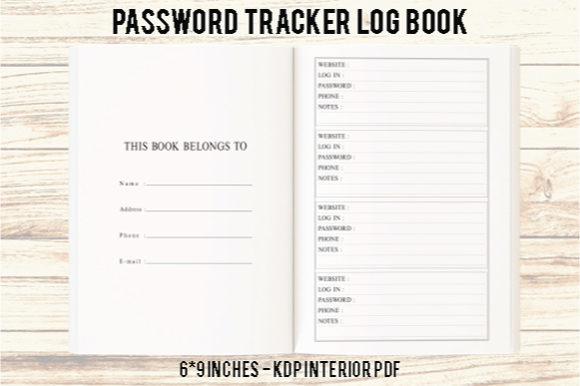
The Important Documents and Information section is the operational core. Here, you detail bank accounts, mortgage lenders, investment portfolios, and property deeds. But it also wisely extends into the digital age with Online Accounts & Internet Logins – Passwords. The key here is not to write passwords in plain text, but to instruct how to access them—perhaps through a specific password manager master password or a sealed letter stored with your attorney. This section ensures financial stability and digital access are maintained.
Your Personal Information Compiled
The My Personal Information section seems basic, but in a crisis, even basics are forgotten. It consolidates your Social Security number, date and place of birth, military service details, education history—all the information needed for official forms, obituaries, and legacy tracking. It saves your family from digging through decades of paperwork.
What to Consider Before Using This Planner
While the value is clear, successfully implementing My Final Wishes – End of Life Planner requires some forethought.
First, consider access and security. This document contains the most sensitive information of your life. You must decide both where the physical or digital copy will be stored and who knows about its location. A trusted family member, your attorney, or a designated executor should know where it is and how to access it securely. It should be kept in a safe, fireproof place.
Second, understand it’s a living document. It’s not something you fill out once and forget. As you change banks, get a new mortgage, start a new online service, or make new important friends, the planner needs updating. Perhaps you set a calendar reminder to review and update it every six months or during your annual tax preparation.
Third, reflect on the emotional weight of completing it. Writing a goodbye message or your final thoughts can be emotionally draining. Approach it not as a grim task, but as a meaningful act of love and responsibility. You might even find it liberating, as it forces you to organize your life’s affairs and clarify your wishes.
The Tangible Outcome: Peace of Mind for Everyone
The ultimate benefit of using this end-of-life organizer isn’t for you; it’s for the people you leave behind. The outcome is a measurable reduction in stress, confusion, and conflict during a time of immense vulnerability. It prevents family disputes over what you wanted because you’ve stated it clearly. It stops financial chaos because your accounts are listed. It halts the frantic search for contacts because they’re all in one list.
For the creator, the entrepreneur, the busy parent, or the digital native, My Final Wishes – End of Life Planner is a project management tool for life’s most critical transition. It takes the scattered, complex data of a modern life and compiles it into a simple, authoritative guide. By doing this work now, you gift your family with clarity, direction, and the space to grieve without being overwhelmed by logistics. That is a final act of care that speaks louder than any words.